Deep dives into AI short dramas, the creator economy, and the future of mobile entertainment.
Test an AI short-drama idea with a one-episode pilot, a title-and-thumbnail click test, and structured feedback from 15-30 target viewers — about 5-10% of a full season's budget and 5-7 days — then apply go/no-go thresholds decided before you see the data.
Five numbers tell you whether an AI short drama is working: 3-second hook retention, episode completion rate, episode-to-episode follow-through, paid conversion, and revenue per mille. This guide defines each metric with formulas, a first-episode drop-off diagnostic table, and a weekly review routine.
There is no universal best episode length. Start from the 60-90 second band most vertical-drama platforms are built around, adjust for genre pacing and cost per finished minute, then run a two-length test on your own audience and let retention data set the final cut.
A quality-control system for AI vertical drama: a five-dimension shot scoring rubric, a three-tier defect taxonomy, a severity-by-position rework matrix, and a copy-paste pre-publish checklist.
Research short drama audiences before choosing a genre: an eight-question behavioral interview, a three-code system for competitor comments, and a genre demand scoring matrix with worked examples.
Improve short drama click-through rate by testing the package, not the story: five title formulas, three thumbnail elements, A/B rules, and a CTR-by-retention diagnostic table.
Build a reusable AI drama character bible: a versioned data file covering identity, goals, fears, speech, relationships, appearance, wardrobe, voice, timeline, and never-break rules.
Estimate an AI short drama budget before you shoot: the cost formula, a 3×3 episode-and-length table, failure-rate sensitivity analysis, and five hidden costs beginners miss.
Choose distribution channels for an AI short drama with a five-channel by six-factor decision matrix, a three-layer channel mix, and if-then rules for exclusivity deals.
A research framework for why viewers keep watching: a four-factor binge model, a six-question viewer interview, ending-type coding, and an episode drop-off analysis workflow.
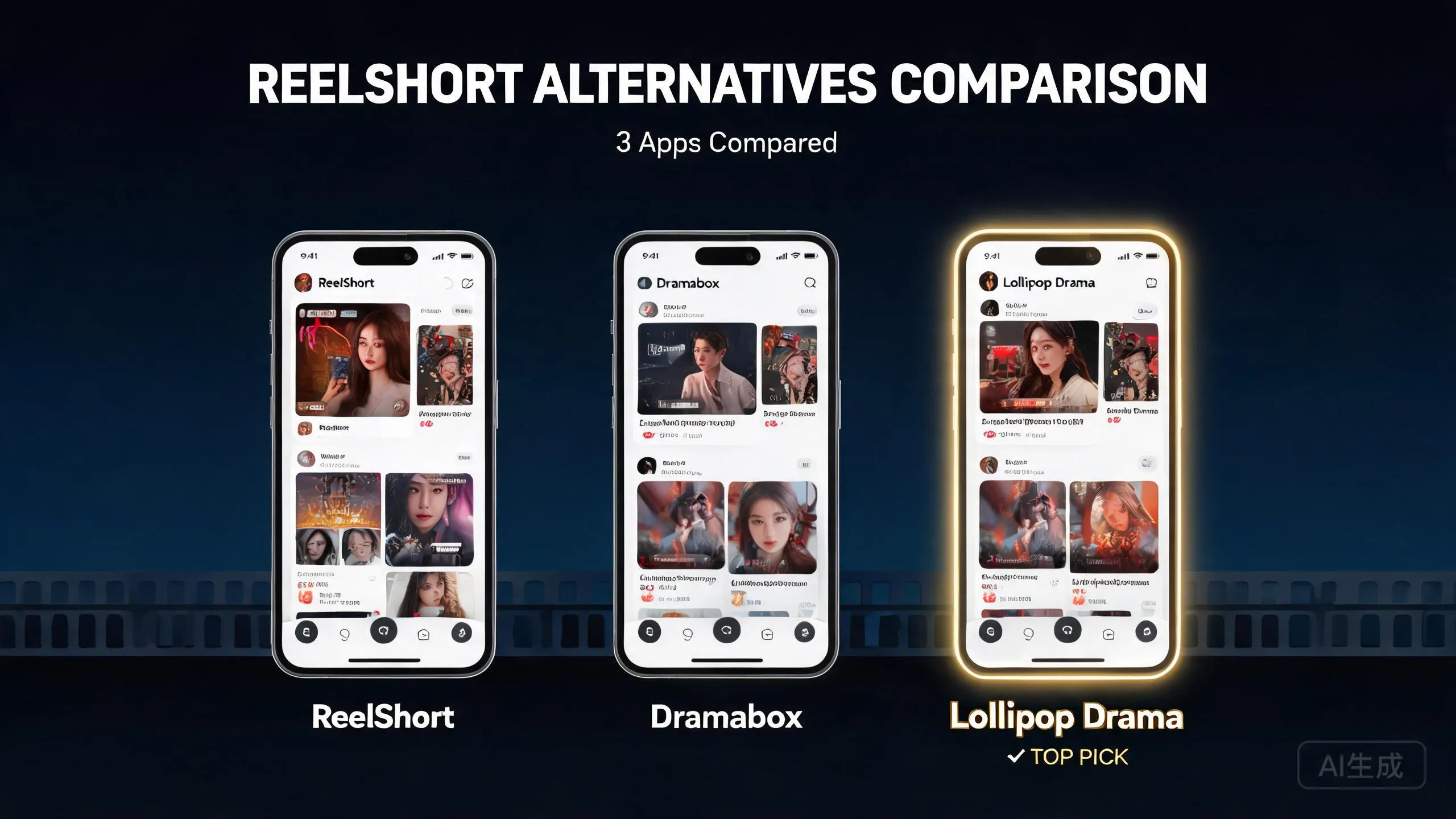
ReelShort leads downloads but pays creators 10-20% share. Lollipop Drama pays 80% with built-in AI tools. A 2026 comparison of revenue share, AI, and content model.
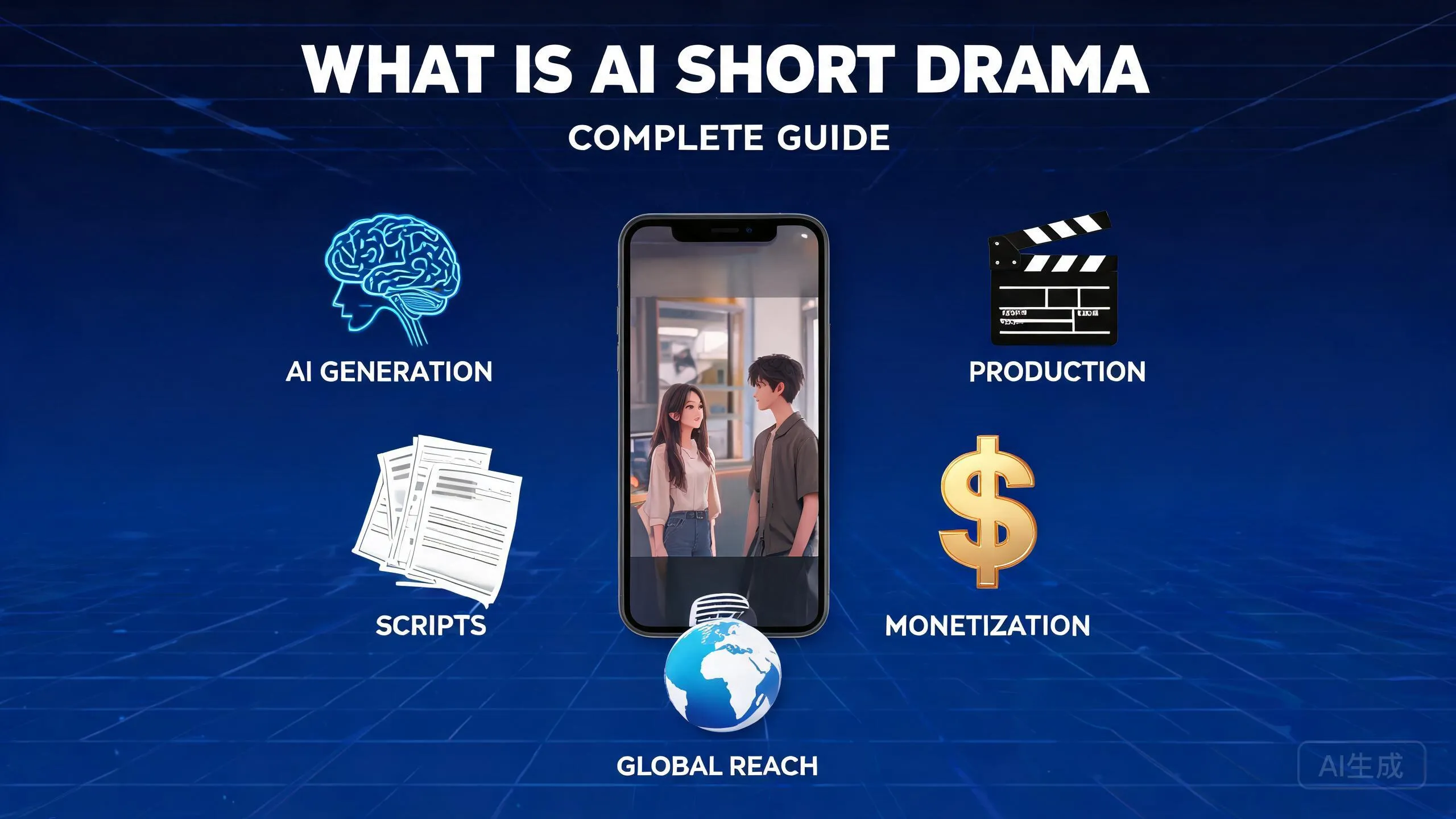
AI short drama is the part of micro-drama produced with generative AI. This guide defines it, compares it with micro and traditional drama, and maps tools, money, and 2026 rules.
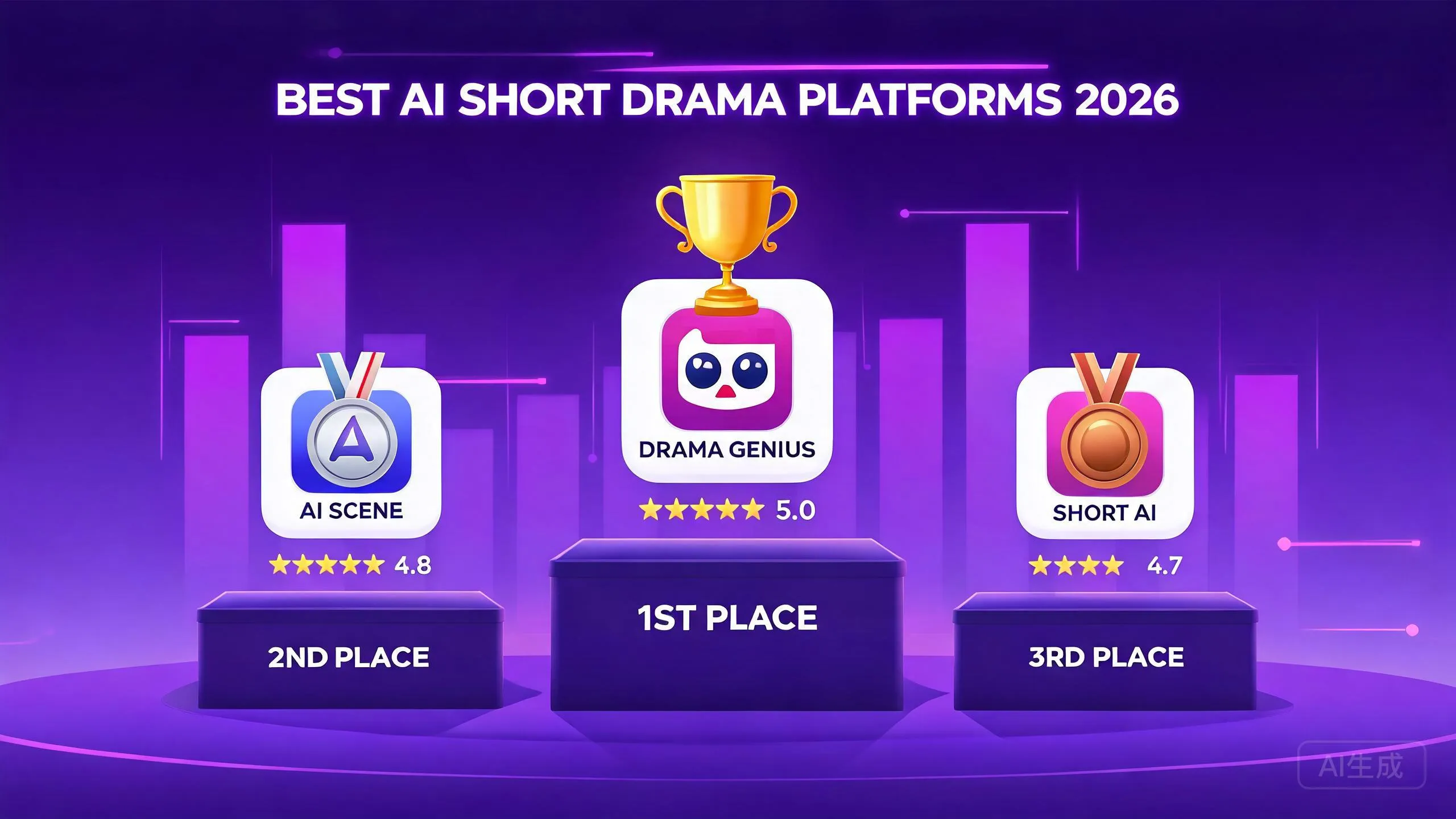
A creator-first 2026 ranking of 10 AI short drama platforms across creation, distribution, and overseas types, with revenue-share and buyer guidance.
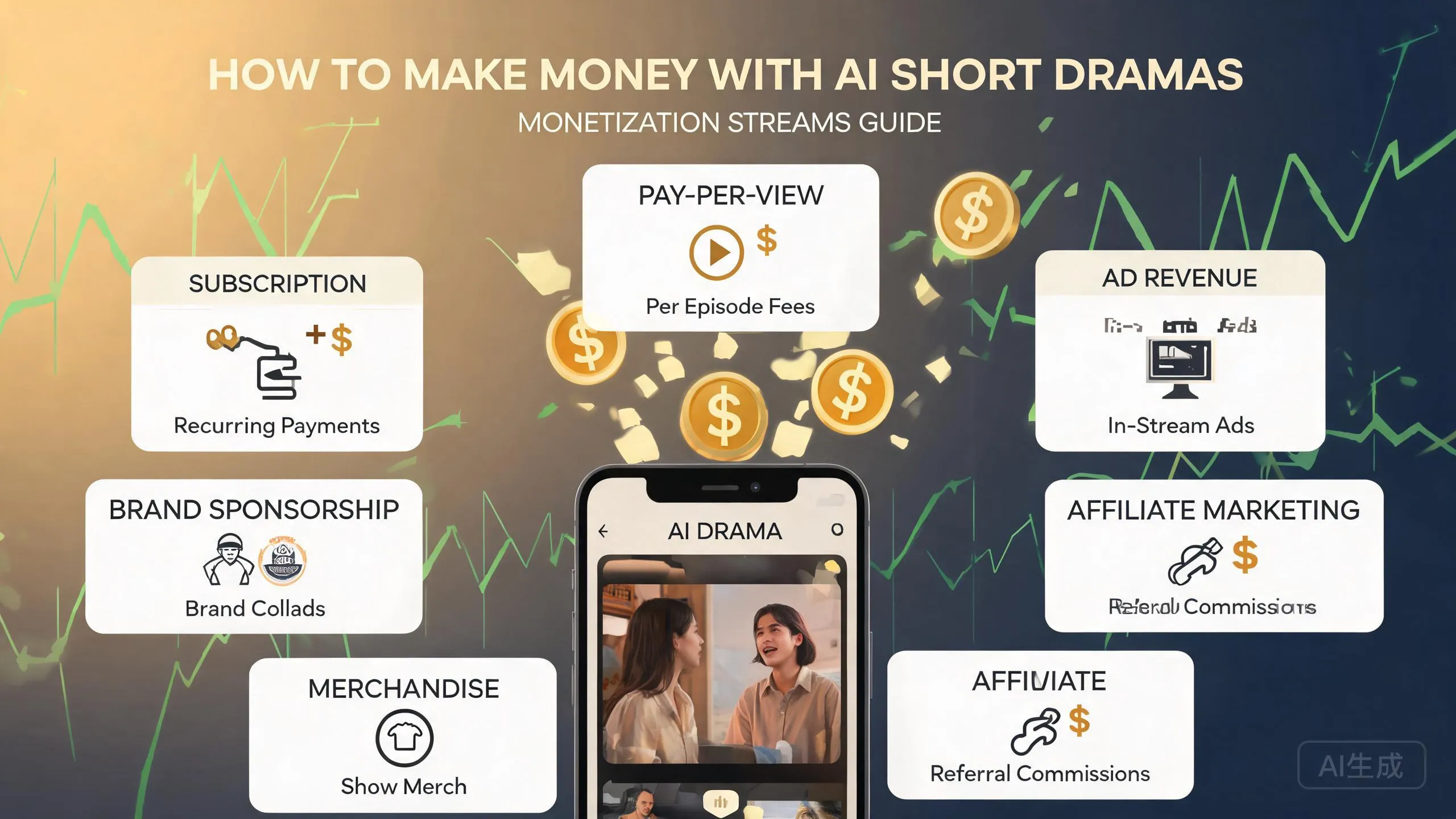
Six ways to monetize AI short dramas in 2026: platform share, brand commissions, private IP, overseas, courses, affiliates, plus a 7-step beginner roadmap.
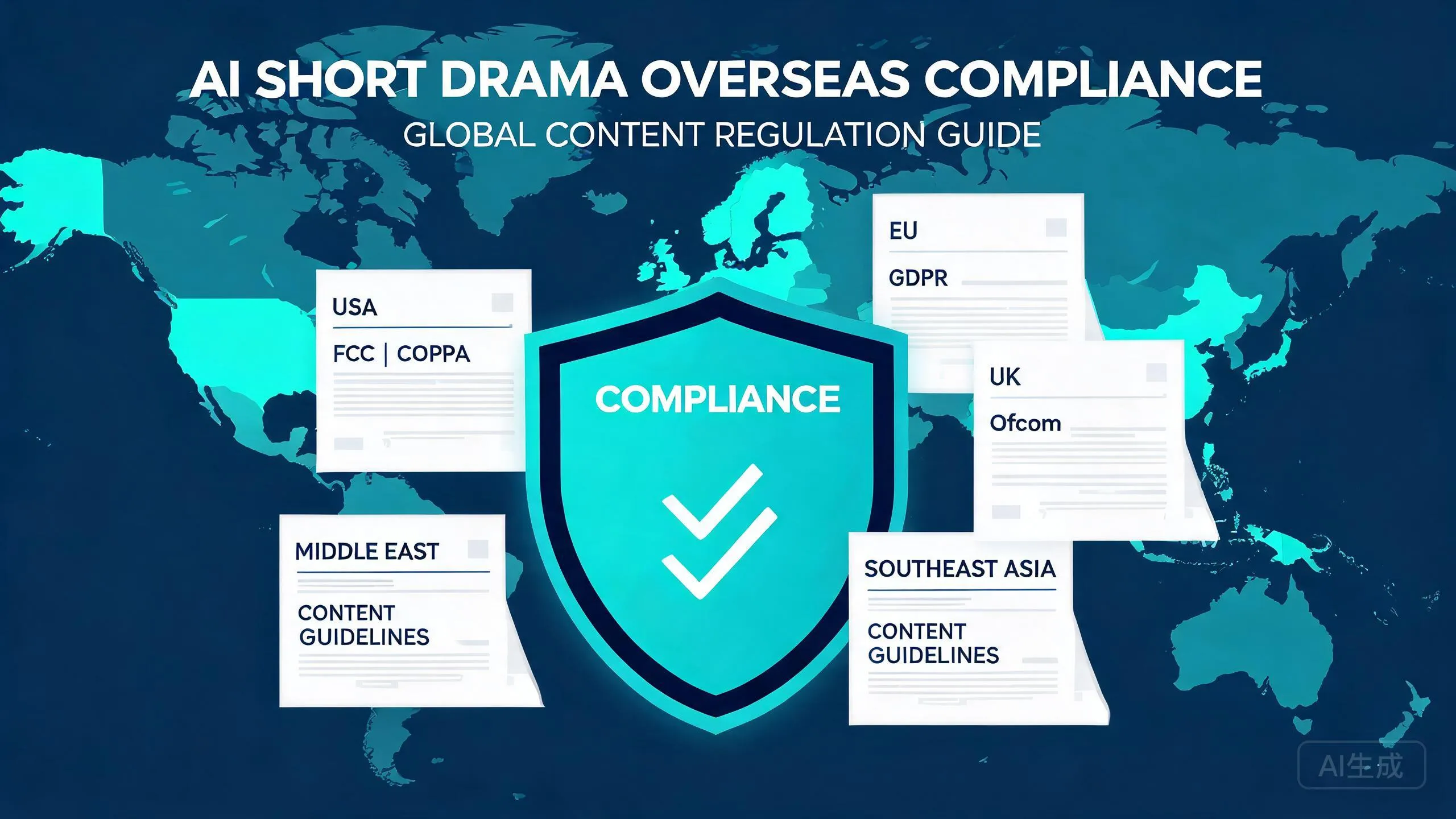
Overseas AI drama compliance: clear EU/SEA content admission, secure cross-border rights, and label AI content before publish.
AI influencers monetize via six paths: subscriptions, brand deals, IP licensing, e-commerce, courses, and UGC services, with 2026 benchmarks.
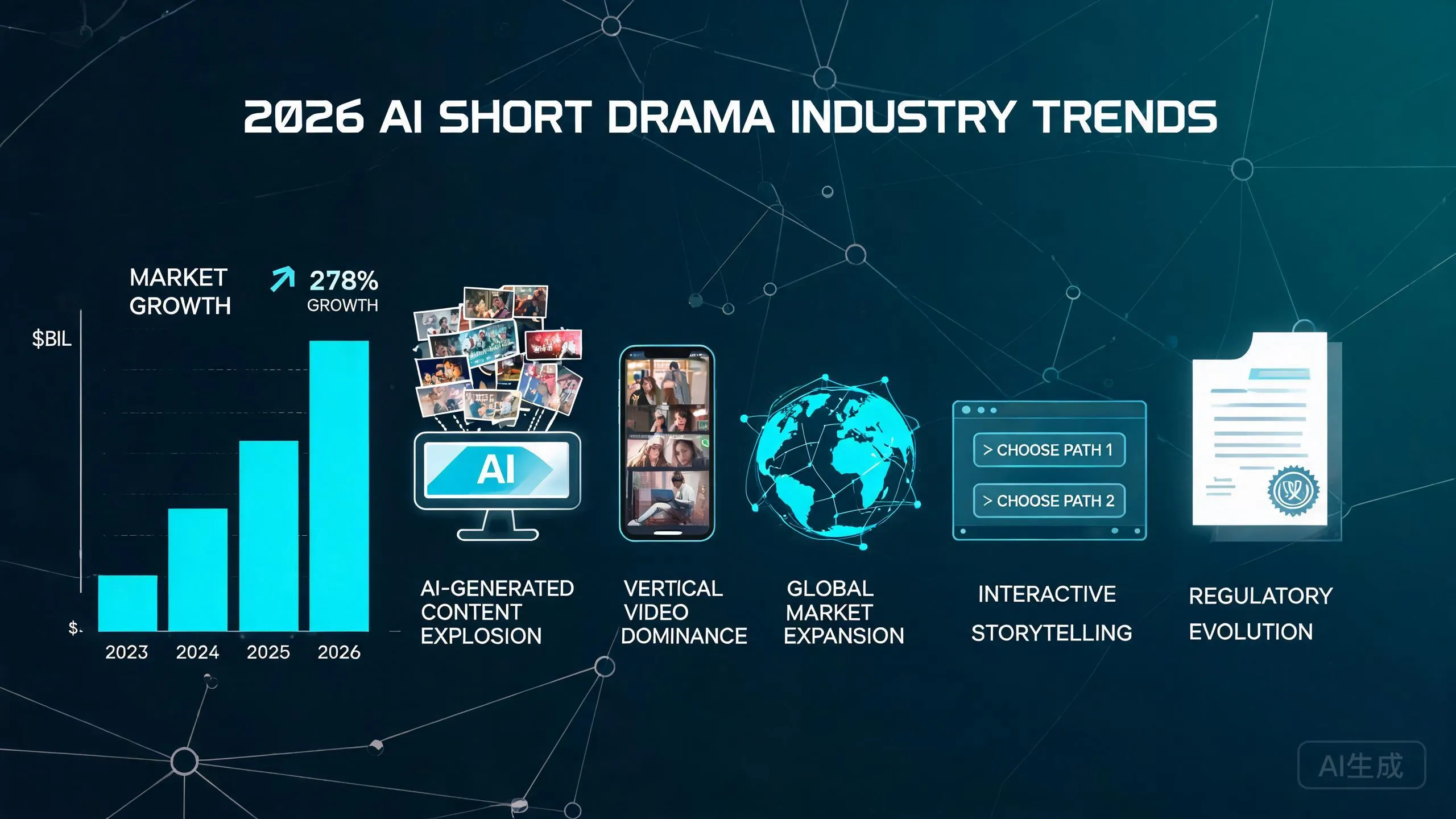
China's AI short-drama market is projected to exceed 40B RMB in 2026 with 600M+ users, yet the hit rate is only 0.48% amid five structural shifts.
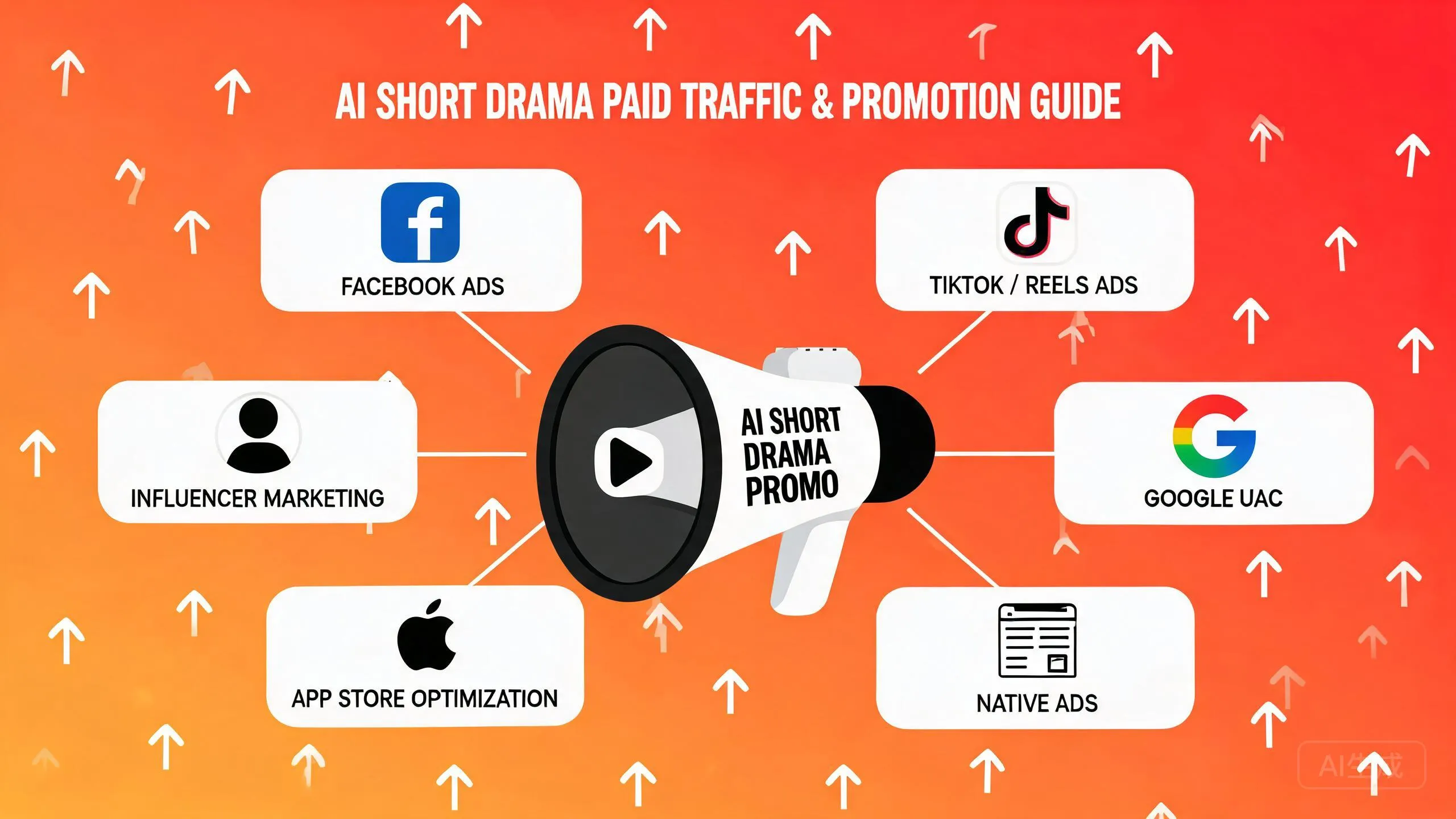
Guide to AI short-drama paid traffic 2026: channels, ROAS/CPA math, AI creative production, a 7-step playbook, 8 pitfalls.
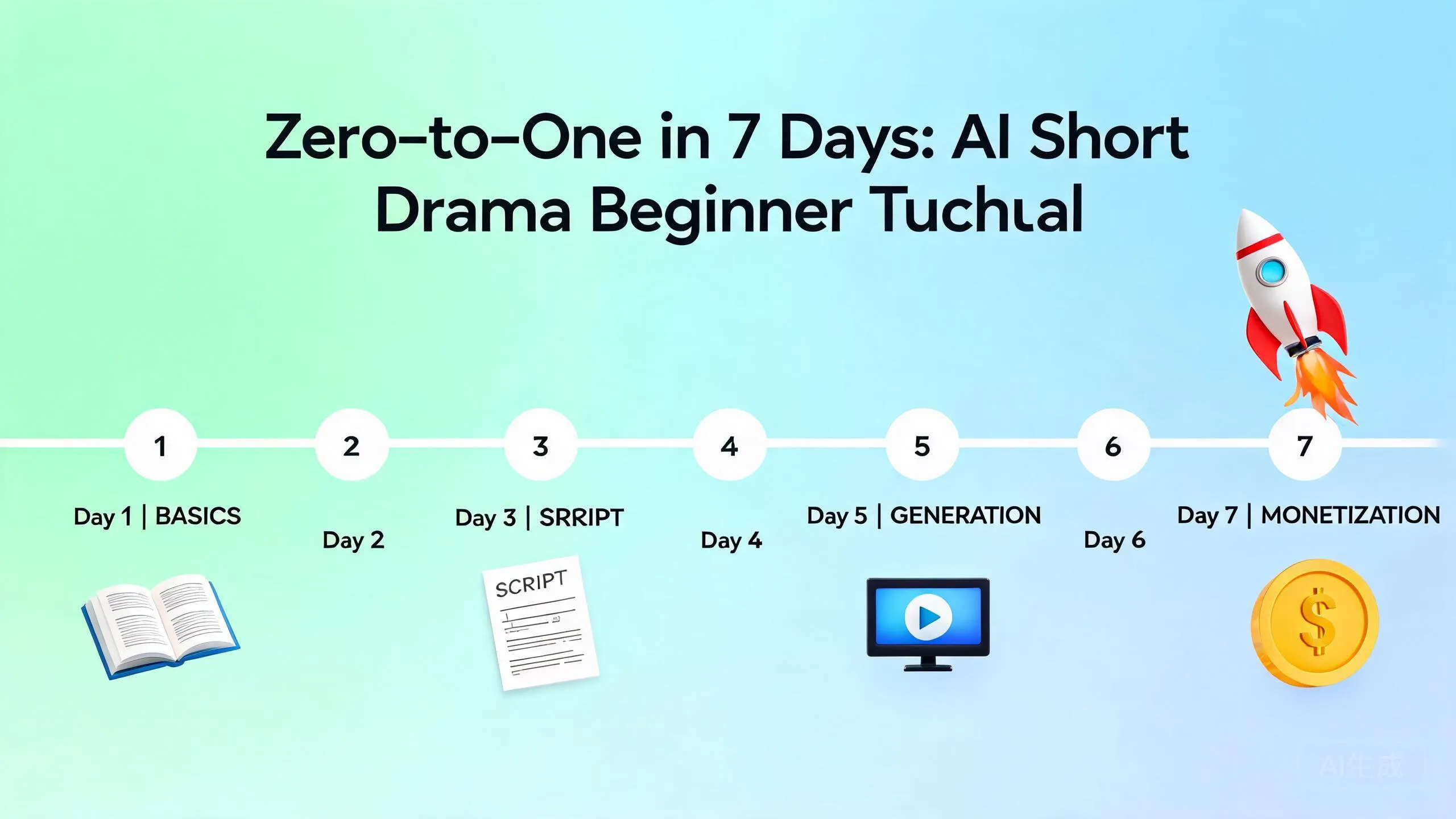
Zero experience? This 7-day tutorial schedules every day: what to do, which tool to use, and what you ship. By Day 7 you hold a publishable vertical AI short drama.
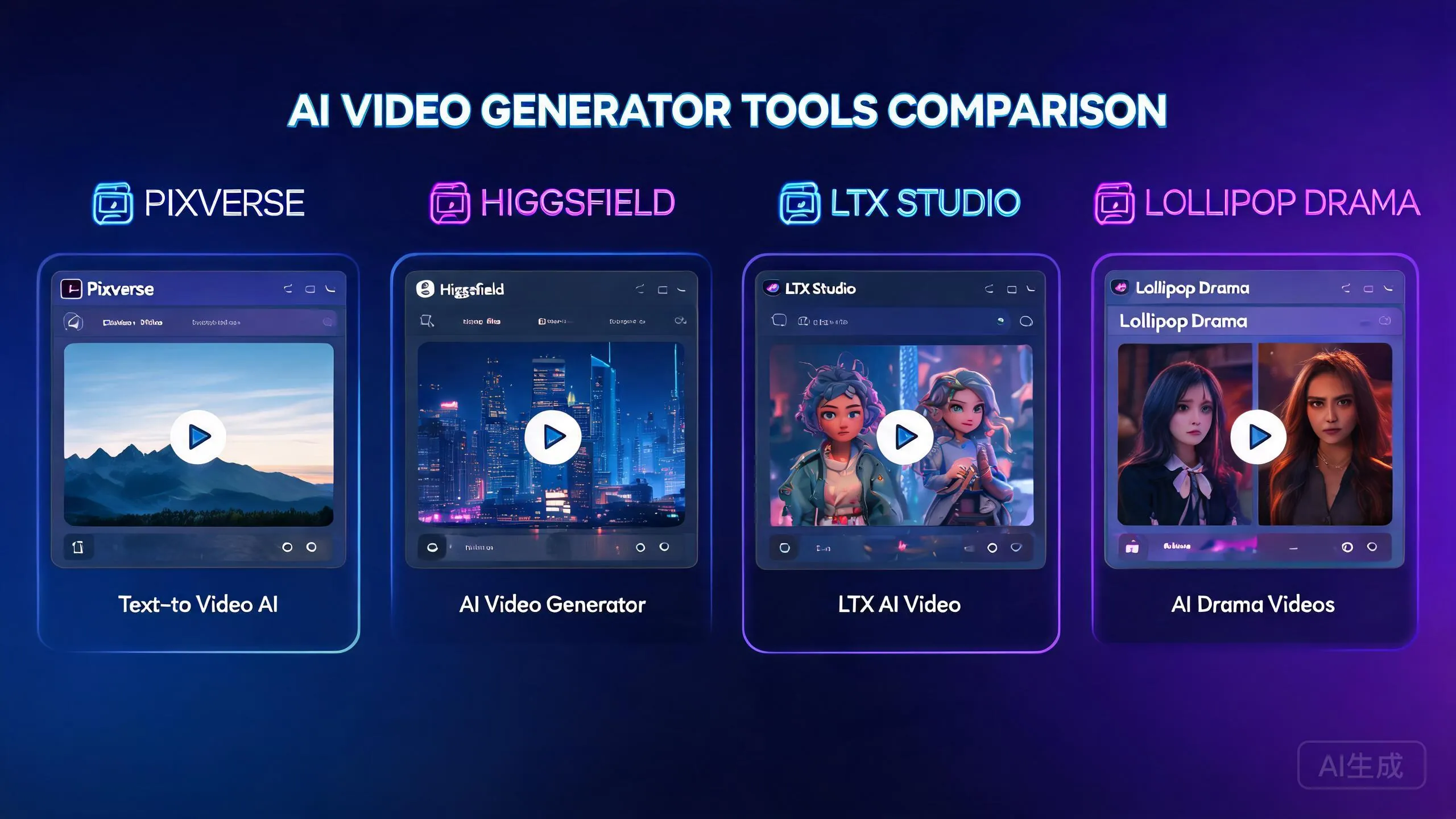
PixVerse Canvas, Higgsfield, and LTX Studio are production canvases: each helps you build the film with multi-shot planning, character consistency, and multi-model generation. Lollipop Drama adds what